Pavers & Stone
Professional Paver & Natural Stone Sealing
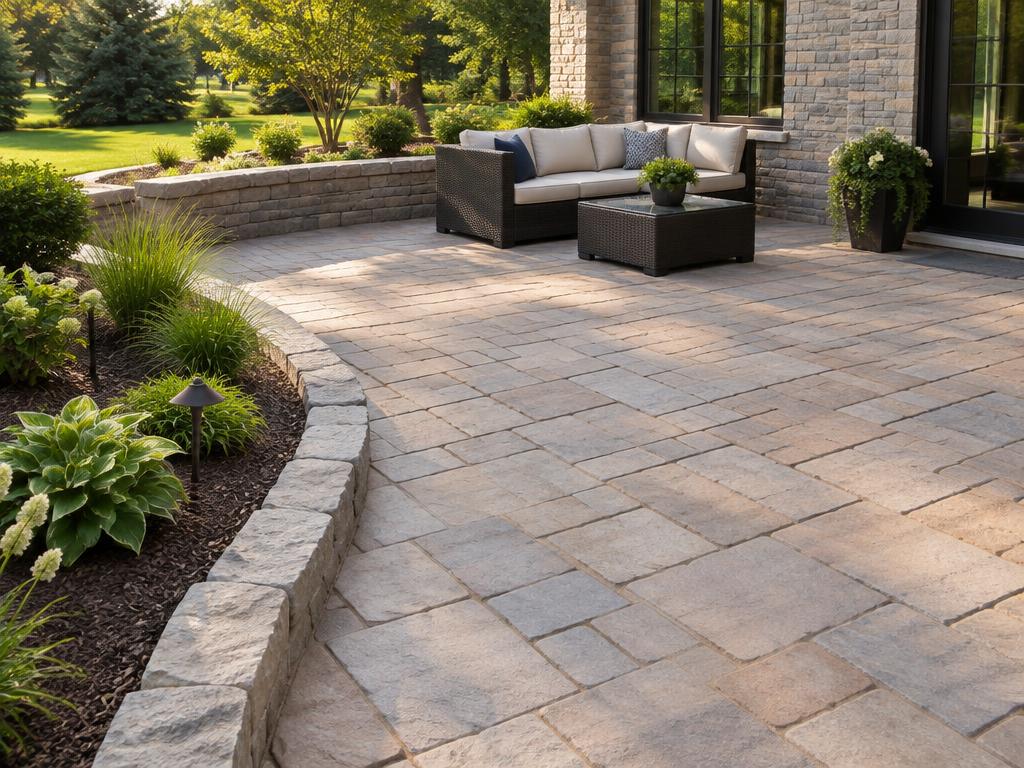
Pavers and natural stone behave differently from a poured slab. Instead of one continuous surface you have many units, many joints and — with natural stone — a material whose density and mineral content vary from piece to piece.
That is why paver and stone work is as much about the joints and the material type as it is about the product. A dense granite, a soft limestone and a manufactured concrete paver do not all want the same treatment.
The goals are usually consistent: reduce staining, help joint sand stay where it belongs, slow organic growth in the joints and keep the installation looking the way it did when it was finished.
Residential & Commercial
Professional Surface Protection
Suitable Surfaces
- Concrete and clay pavers
- Paver patios, walkways and pool decks
- Natural stone patios and steps
- Flagstone and bluestone where suitable
- Masonry and selected vertical stone
- Retaining wall caps and borders
What Protection Can Do
Stain resistance
Helps make spills, leaf tannins and grill splatter less likely to soak straight into the unit.
Joint stabilization
Where an appropriate system is used, joint sand can be stabilized so it is less prone to washing out.
Appearance control
Natural look or enhanced/wet look, depending on the material and the finish you want.
Simpler upkeep
Sealed pavers usually rinse cleaner and hold their color longer between maintenance.
Our Process
How the Work Is Done
- 1
Assessment
We identify material type, absorbency, existing sealers, efflorescence and joint condition.
- 2
Cleaning
Surface and joint cleaning appropriate to the material — natural stone needs a gentler approach than manufactured pavers.
- 3
Joint work
Where the system calls for it, joints are re-sanded before sealing.
- 4
Application & cure
The selected sealer is applied and allowed to cure before the surface returns to use.
Important Considerations
What a protection system realistically does — and what it does not.
- Efflorescence (the white haze that migrates out of concrete pavers) may need to be addressed before sealing.
- Wet-look finishes change appearance permanently until the product wears or is removed — always a decision to make before application, not after.
- Natural stone varies. Some stones are highly absorbent and some are nearly closed; the same product is not right for both.
- Sealing does not re-level settled pavers or repair failed base material.
In This Region
Paver and stone patios across the Finger Lakes spend months under snow cover and freeze/thaw pressure, which is hard on joints and on soft stone in particular.
Residential
Homes, driveways, patios, decks and interior surfaces.
Commercial
Selected commercial surfaces and entrances where suitable.